Master the “DevOps + AWS Cloud + SRE” Skills to Launch a High-Demand Tech Career and Land a 6–12 LPA Job in Just a Few Months!
-
17th August (Sunday)
-
7:30 PM – 9:00 PM
IST
-
Host: ~ Prasanth
Reddy
- Regular Classes- 18th Aug 7:30 PM
Demo Class On
Days Hours Minutes Seconds
No IT Degree? No Problem. No Coding? Still Welcome. No Experience? We’ll Train You!
Register For Just ₹23,000 ₹25,000
Just Follow Our Proven Step-by-Step DevOps Roadmap & Start Gaining Real-World Skills ~ Even From Day #1
-
Learn DevOps, AWS & SRE with Zero Prior Experience— Step-by-step from basics
-
No need to quit your job — Flexible live sessions with 24/7 support and recordings
-
Get Hands-on Experience with Real-Time Projects, Tools & Job Scenarios
-
Learn from Prasanth Reddy (9+ Yrs Exp) — Trusted by 1500+ students globally
-
Build Projects, Prepare for Interviews, and Crack High-Paying DevOps Roles
-
Join a Thriving DevOps Community — Resume , Mock Interviews & Job Alerts
Register for the Free DevOps + AWS + SRE Demo
Stop Wasting More Time on Unfocused Learning
Still stuck scrolling YouTube tutorials and random blogs that leave you confused and unprepared?
What if I told you that a clear, expert-guided DevOps path could get you job-ready faster than a 4-year degree?
>> Yes, You Heard It Right <<
Just by following our proven DevOps + AWS + SRE Roadmap,
you can turn your time into interview-cracking skills and land a
6–12 LPA job in just a few months
To Know More Join Me Live Inside
KK DevOps Career Kickstarter Demo
Register For The Free Demo ₹23,000 ₹25,000
Tools You Will Master in This Training













Course Curriculum You Will Learn
UPDATED 2025
DevOps – Foundation Module
-
Introduction to DevOps Concepts
-
Understanding Software Development Life Cycle (SDLC)
-
Waterfall Model in Traditional SDLC
-
Agile Methodology Overview
-
Scrum Framework Basics
-
Sprint / Iteration Cycles in Agile
-
Defining DevOps – A Cultural and Technical Shift
-
Reasons to Choose DevOps – Key Drivers
-
Significance of DevOps in Modern IT
-
The DevOps Operating Model
-
Stages in the DevOps Lifecycle
-
Current Market Demand & Career Prospects in DevOps
-
Overview of Commonly Used DevOps Tools
-
Introduction to Linux Operating System
-
Installing Required Software (SSH Tools and FTP Tools) on Desktop/Laptop
-
Creating an AWS Account
-
Launching an EC2 Instance in AWS
-
Linux File and Directory Structure
-
100+ Linux Commands
Module 1: Shell Scripting Basics
- Introduction to Shell Scripting
- What is Shell?
- Types of Shells
- What is Shell Scripting?
- Writing Your First Shell Script
- Shell Script File Naming Conventions
Module 2: Scripting Elements
- Adding Comments in Scripts
- Working with Variables
- Command Line Arguments ($1, $2, $@, etc.)
- Escape Characters in Output
- String Handling Techniques
- Arithmetic Operations in Shell
Module 3: User Interaction
- Accepting Input with read Command
- Input & Output Redirection (>, >>, <, 2>)
Module 4: Control Flow
- if, else, elif Conditions
- for Loops
- while Loops
- case Statements (Switch-case style)
Module 5: Advanced Scripting
- Shell Functions (Reuse Logic)
- Using Pipes (|) for Data Flow
Module 1: Git & Version Control Basics
- What is Git?
- What is VCS (Version Control System)?
- What is SCM (Source Code Management)?
- Why Git is important in DevOps?
- Git Architecture
- What is Branch?
- What is Tag?
Module 2: GitHub Essentials
- Creating Account on GitHub
- GitHub vs Git (Key Differences)
- GitHub UI Overview
- SSH Key Generation
- PAT (Personal Access Token) Creation
- Cloning Repositories (From GitHub)
Module 3: Git Core Commands & Developer Workflow
- Git Initialization & Local Repo Setup
- Git Common Commands (init, add, commit, status, log)
- Cloning Remote Repositories
- Working with Git as a Developer
- Git Administration Tasks
- Git Configuration (user.name, user.email)
- README File Creation & Usage
Module 4: Git Collaboration & Workflow
- Forking a Repository
- Pull Requests (PRs)
- Merging Branches
- Conflict Resolution with Real-Time Examples
- GitHub API – Using Shell Script to Access GitHub
- Creating & Managing Issues in GitHub
Module 5: Git Branching Strategy
- Feature Branching
- feature/login-page, feature/cart-module
- Hotfix Branching
- hotfix/db-connection-error
- Release Branching
- release/v1.1, release/2025Q2
- Develop Branch Strategy (Git Flow)
- main → develop → feature
- GitHub Flow
- Create PR from branch → Code Review → Merge to main
- Trunk Based Development
- Frequent small commits to main with automation
- Environment Branching
- dev, qa, stage, prod
Module 6: Best Practices & Interview Preparation
- Git Ignore and Best Practices for Clean Code
- Branch Naming Conventions
- Writing Clear Commit Messages
- Difference Between reset, revert, checkout
- Interview Questions on Git/GitHub (Scenario Based)
- Real-Time Use Cases in CI/CD Pipelines
Module 1: Introduction to Maven
- What is Maven?
- Why do we use Maven in Java Projects?
- Features and Benefits of Maven over manual build processes
- Comparison with other build tools (Ant, Gradle)
Module 2: Maven Installation & Setup
- Downloading Maven on Windows/Linux
- Setting Environment Variables (M2_HOME, PATH)
- Verifying Maven Installation using mvn -v
Module 3: Maven Project Structure
- Standard Directory Layout of a Maven Project
- Understanding src/main/java, src/test/java, and target/
- Role of pom.xml
Module 4: Maven POM File
- Understanding pom.xml structure
- Key Tags in POM: <groupId>, <artifactId>, <version>, <dependencies>, <build>
- Plugin and Dependency Management
Module 5: Maven Repositories
- Types of Repositories: Local, Central, Remote
- Maven Repository Lookup Mechanism
Module 6: Maven Build Lifecycle
- Default Lifecycle: validate, compile, test, package, verify, install, deploy
- Clean Lifecycle
- Site Lifecycle
Module 7: Hands-on with Maven
- Creating Maven Project manually and via mvn archetype
- Running Commands: mvn clean install, mvn package, mvn dependency:tree
- Understanding target/ Folder
Module 8: Multi-Module Maven Projects
- Parent POM configuration
- Inheriting configuration in Child POMs
- Best Practices for CI/CD pipelines
- Common Maven Interview Questions
Module 1: Introduction to Tomcat
- What is Tomcat?
- Use case of Tomcat in Java-based applications
- Difference between App Server and Web Server
- Understanding of Web Servers, App Servers, and Database Servers
Module 2: Tomcat Installation
- Tomcat Setup on Windows (Extraction Method)
- Tomcat Setup on Linux (Installation using tar or package manager)
- Setting Environment Variables (CATALINA_HOME, JAVA_HOME)
- Starting and Stopping the Server
Module 3: Directory Structure & Configuration
- Understanding Tomcat Directory Structure (bin, conf, logs, webapps)
- Changing the Default Port Number
- Understanding server.xml, web.xml, and context files
Module 4: User and Role Management
- Creating Admin and Manager Users in tomcat-users.xml
- Assigning Roles like manager-gui, admin-gui
- Security Considerations for Production Use
Module 5: Application Deployment in Tomcat
- Deployment through Admin Console UI
- Deployment via WAR File Drop in webapps/
- Auto-Deployment vs Manual Deployment
- Troubleshooting Deployment Issues
Module 6: Real-Time Use and Interview Readiness
- Hands-on Lab: Deploy Sample WAR File
- Common Issues and How to Fix Them
- Best Practices
- Tomcat Interview Questions & Real-Time Scenarios
Apache HTTP Server / Nginx Server
Module 1: Introduction
- What is a Web Server?
- Why do we use Apache HTTP or Nginx?
- Difference between Apache and Nginx
- Use Cases in Real-Time Projects
Module 2: Installation
- Apache HTTP Server Installation (Linux/Windows)
- Nginx Installation Steps
- Verifying Installation using httpd -v / nginx -v
Module 3: Directory Structure
- Apache Directories (/etc/httpd/, /var/www/html/)
- Nginx Directories (/etc/nginx/, /usr/share/nginx/html)
- Configuration Files: httpd.conf, nginx.conf
Module 4: Starting the HTTP Server
- Start/Stop/Restart Commands for Apache & Nginx
- systemctl start httpd/nginx
- service apache2 restart
- Enabling HTTP Server on Boot
Module 5: Deploying Static Web Applications
- Hosting a Static Website with Apache
- Hosting a Static Website with Nginx
- Placing HTML/CSS files in Document Root
- Setting Permissions & Firewall Rules
Module 1: Introduction to SonarQube
- What is SonarQube?
- Why SonarQube is used in DevOps & CI/CD?
- Real-Time Use Case Overview
Module 2: Setup & Architecture
- Pre-Requisites (Java, Database, etc.)
- SonarQube Architecture
- Installation on Linux/Windows
- Changing the Default Port Number
- Start and Stop Services
Module 3: Running SonarQube
- Executing Code Scans
- Integrating with Build Tools (Maven/Gradle)
- Command-line Scanner Usage
Module 4: Administration & Configuration
- Creating Users (Normal and Administrator Roles)
- Creating and Managing Projects
- Deleting Projects Safely
- Token Generation for CI Tools
- Creating Custom Quality Profiles
- Defining Quality Gates
Module 5: Interview and Real-Time Use Cases
- What is SonarCloud?
- Real-Time CI/CD Integration Example
- Common Issues and Troubleshooting
- Important Interview Questions
Module 1: Introduction to Nexus
- What is Nexus?
- Role of Nexus in DevOps
- Real-Time Use Case Scenarios
Module 2: Installation & Initial Setup
- Installing Nexus on Linux/Windows
- Changing Default Admin Password & Email
- Email Server Configuration for Notifications
- Changing Port Number
- Changing Context Root
- Starting & Stopping Nexus Server
Module 3: Nexus Structure & Configuration
- Understanding Nexus Directory Structure
- Navigating the Nexus UI
- Nexus Configuration Files
Module 4: Repository Management
- Creating Repositories:
- maven2 (hosted)
- maven2 (proxy)
- Docker Repository Setup
- Repository Purpose and Use Cases
Module 5: Integration & Automation
- Integrating Maven with Nexus
- Using Nexus as a Central Artifact Repository
- Nexus API Overview
Module 6: Policies & Access Control
- Creating Cleanup Policies
- Attaching Policies to Repositories
- Creating Users and Roles
- Assigning Privileges and Access Control
Module 7: Real-Time Practice & Interview Prep
- Common Issues & Troubleshooting
- Nexus vs Artifactory Comparison
- DevOps CI/CD Pipeline Integration
- Interview Questions & Answers
Module 1: Introduction to Jenkins
- What is Jenkins?
- Continuous Integration (CI)
- Continuous Delivery (CD)
- Continuous Deployment (CD)
- Real-Time DevOps Use Case Overview
Module 2: Jenkins Installation & Setup
- Installing Jenkins on Linux Server
- Initial Setup Wizard
- Plugin Installation
- Jenkins Directory Structure
Module 3: Job Creation & Maven Integration
- Create Maven Project using Freestyle Project Type
- Integrate Maven Software if Not Installed
- Integrate Nexus with Jenkins
- Integrate SonarQube with Jenkins
Module 4: Application Deployment
- Deploy App to Tomcat:
- Using “Deploy to Container” Plugin
- Using SSH Agent Plugin (Scripted)
- Configure Slack Integration
- Poll SCM (Git)
- Build Periodically (CRON)
- Trigger via Git WebHooks
Module 5: Build Management
- Discard Old Builds
- Disable/Enable Projects
- Delete Workspace Before Build Starts
- Add Timestamps to Console Output
- Use JACOCO Plugin for Test Coverage
Module 6: Jenkins Plugins & Management
- Plugin Management
- Safe Restart
- Next Build Number Control
- Email Extension Plugin
- SonarQube Scanner Plugin
- Artifactory Plugin
- BlueOcean
- Maven & Docker Plugin Integration
- Publish Over SSH / SSH Agent Plugin
- Thin Backup Plugin
- Build NameSetter Plugin
- Convert Freestyle to Pipeline Job
- Role-Based Authorization Strategy
Module 7: Security & Access Management
- Jenkins Security Setup
- Create Users (Default Admin)
- Provide Specific Access in Jenkins
- Assign Roles to Users
- Project-based Access Control
Module 8: Views, Parameters & External Tools
- Create View (List View, My View)
- Build with Parameters
- Port Number Change
- External Plugins Installation
- Urban Code Deploy Plugin
Module 9: Jenkins Pipelines (Scripted & Declarative)
- Create Pipeline Jobs:
- Scripted Syntax
- Declarative Syntax
- Add Parameters to Pipeline
- Upstream & Downstream Jobs
- Multibranch Pipeline Project Setup
- Use Shared Libraries
- Add Jenkinsfile to Project Repo
Module 10: Jenkins Administration & DevOps Real-Time
- CICD Implementation for Java Projects
- Master-Slave (Controller-Agent) Setup
- Jenkins Backup and Restore
- Jenkins Migration (New Server)
- More Examples on Declarative Pipeline Script
Module 1: Introduction to Ansible
- What is Ansible?
- Why use Ansible in DevOps?
- Use Case Overview (Agentless Automation)
Module 2: Core Concepts
- Configuration Management Basics
- Ansible Features and Benefits
- Ansible Architecture (Control Node, Managed Nodes, Modules, Plugins)
Module 3: Inventory & Setup
- Host Inventory File (Static & Dynamic)
- Installing Ansible on Linux
- Verifying Installation
- Ansible Directory Structure
Module 4: Ansible CLI & Commands
- Commonly Used Commands (ansible, ansible-playbook)
- Inventory Testing
- Modules Overview (ping, copy, service, yum, apt)
Module 5: Ansible Playbooks
- Writing Your First Playbook
- YAML Basics
- Tasks, Modules, and Plays
- Tags and Selective Execution
- Handlers for State-Aware Actions
Module 6: Variables & Control Flow
- Group Variables and Host Variables
- Using vars, vars_files, and vars_prompt
- Loops (with_items, loop)
- Conditional Statements (when)
- Combining Loops and Conditions
Module 7: Security & Secrets
- Ansible Vault (Encrypting Sensitive Data)
- Creating and Using Vaulted Files
- Vault Password Management
Module 8: Roles and Reusability
- Ansible Roles Structure
- Converting Playbooks into Roles
- Using Roles in Real Projects
Module 9: Advanced Inventory Management
- Working with Dynamic Inventory
- Integration with AWS EC2 Inventory Plugin
Module 10: Real-Time Use & Interview Prep
- End-to-End Automation Example
- Common Errors and Troubleshooting
- Interview Questions on Ansible (Scenario Based)
Module 1: Introduction to Cloud & AWS
- Introduction to Cloud & Cloud Computing
- Cloud Service Models (IaaS, PaaS, SaaS)
- Types of Clouds (Public, Private, Hybrid)
- AWS Introduction & Its Global Architecture
Module 2: EC2 – Elastic Compute Cloud
- What is EC2?
- Launch Our First EC2 Instance – Part 1 & Part 2
- How to Use PuTTY/GITBASH/etc (Windows Users Only)
- Security Groups
- Elastic Volumes, Instance Stores
- EC2 Instance Metadata
- Amazon Machine Images (AMI)
- Public IP, Private IP, Elastic IP
- EC2 Summary
Module 3: EBS & EFS – Storage Services
- Introduction to EBS
- EBS Snapshots
- Create and Attach Additional EBS Volumes
- EBS Snapshot Manager
- Elastic File System (EFS)
Module 4: S3 – Simple Storage Service
- S3 Essentials
- Creating a Bucket Using Console
- Storage Classes and Lifecycle Management
- S3 Versioning and Version Control
- Cross Region Replication
- Glacier, Snowball, and Archival Storage
- S3 Security and Permissions
- S3 Summary
Module 5: VPC – Virtual Private Cloud
- What is VPC?
- Custom VPCs – Part 1 & Part 2
- Public & Private Subnets
- NAT Gateway, Internet Gateway
- Network ACLs and Security Groups
- VPC Peering and Routing
- VPC Summary
Module 6: Load Balancing & Auto Scaling
- Elastic Load Balancer (ELB)
- Network Load Balancer (NLB)
- Web Application Load Balancer
- Auto Scaling Groups
Module 7: Route 53 & DNS Services
- What is Route 53?
- Registering Domain
- Creating Hosted Zones
- Routing Policies
Module 8: IAM – Identity Access Management
- IAM Introduction
- Users, Groups, Roles, Policies, Permissions
- IAM Best Practices
- MFA, Password Policy
- Policy Simulator
Module 9: AWS CLI
- Installing and Configuring CLI
- Running EC2, S3, IAM, and VPC Commands from CLI
- Profile Setup and Access Keys
Module 10: Containers & Orchestration
- Elastic Container Registry (ECR)
- Elastic Kubernetes Service (EKS)
Module 11: Real-Time Projects & Interview Readiness
- CI/CD Project with EC2 + S3 + IAM
- Multi-Tier Architecture Deployment
- Troubleshooting Common AWS Issues
- AWS Interview Questions (Scenario Based)
Module 1: Docker Basics & Concepts
- Docker Introduction
- Containerization vs Virtualization
- Docker vs Virtual Machine
- Use Cases of Docker in Real Projects
- Before Docker and After Docker
Module 2: Installation & Architecture
- Installing Docker on Linux/Windows
- Docker Architecture: Docker Engine, CLI, Daemon, REST API
- Docker flow
Module 3: Docker Commands
- Basic Adhoc Commands (run, ps, exec, logs, etc.)
- Managing Containers and Images
- Working with Docker CLI
Module 4: Dockerfile & Image Creation
- What is a Dockerfile?
- Dockerfile Keywords (FROM, RUN, COPY, CMD, ENTRYPOINT, ENV, VOLUME, many more)
- Building Custom Docker Images
- Real-Time Dockerfile Examples
Module 5: Docker Objects
- Docker Images
- Docker Containers
- Docker Networks (bridge, host, overlay)
- Docker Volumes (bind mount, volume)
Module 6: Docker Registries
- What are Docker Registries?
- Using Docker Hub
- Using AWS ECR
Module 7: Docker Compose
- Introduction to docker-compose.yml
- Defining Multi-Container Applications
- Running Compose Projects (up, down, logs)
- Real-Time Example: Web + DB App Using Docker Compose
Module 8: Real-Time Scenarios & Interview Prep
- Common Docker Issues and Troubleshooting
- Docker Cleanup & System Prune
- Docker Logs and Monitoring
- Top Interview Questions on Docker (Scenario Based)
Module 1: Introduction & Architecture
- Kubernetes Introduction
- Kubernetes Architecture
- Kubernetes Cluster (Self-Managed) Setup Using Kubeadm
- Kubernetes Namespace
- Kubernetes Objects Overview
Module 2: Core Kubernetes Resources
- POD
- Replication Controller
- Replica Set
- Daemon Set
- Deployment
- Rolling Update
- Recreate Strategy
- Stateful Set
Module 3: Storage & Configuration Management
- Service
- Persistent Volumes
- Persistent Volume Claim
- Dynamic Volumes
- ConfigMaps & Secrets
Module 4: Monitoring & Autoscaling
- Horizontal Pod Autoscaler (HPA) & Metrics Server
- Liveness & Readiness Probes
Module 5: Scheduling & Node Maintenance
- Node Selector
- Node Affinity
- Pod Affinity & Anti-Affinity
- Taints & Tolerations
- Cordon / Drain / Uncordon
- Scheduling Strategy Overview
Module 6: Security, Quotas, & Networking
- Resource Quota & Limit Range
- Network Policies
- Kubernetes RBAC (Role-Based Access Control)
Module 7: Cloud Kubernetes & Load Balancing
- EKS Kubernetes Cluster Setup
- Load Balancer Service
- Ingress Controller & Ingress Resource
Module 8: CI/CD & Helm
- Deploy Application Using Jenkins (CI/CD Integration)
- Helm: Package Manager for Kubernetes
Module 9: Observability
- Monitor Kubernetes Using Prometheus and Grafana
- Log Aggregation Using EFK Stack (Elasticsearch, Fluentd, Kibana)
Module 10: Real-Time Scenarios & Interview Prep
- Troubleshooting Common Kubernetes Issues
- Real-World Project Use Cases
- Kubernetes Interview Questions (Scenario Based)
Module 1: Introduction to Infrastructure as Code (IaC)
- Traditional Infrastructure Challenges
- What is IaC & Why Terraform?
- IaC vs Configuration Management Tools (Ansible, Chef)
- Introduction to HCL (HashiCorp Configuration Language)
Module 2: Terraform Installation & Setup
- Install Terraform on Linux, Windows, Mac
- CLI Commands & Versioning
- Terraform vs CloudFormation vs Pulumi
Module 3: Terraform Core Blocks
- terraform Block
- provider Block (with AWS)
- resource Block
- variable Block (input, output, locals)
- data Block
- module Block
- referencing resources
Module 4: Working with Resources
- Resource Syntax and Arguments
- Resource Meta-Arguments:
countdepends_onfor_eachlifecycle
Module 5: Variables & Outputs
- Input Variables:
- CLI variables
.tfvarsandauto.tfvars- Environment variables
- Lists, Maps, and Complex Variables
- Sensitive Data Handling
- Output Values
Module 6: Data Sources
- Using
datablock to reference existing infrastructure - AWS Data Sources (AMI, VPC, Subnets, etc.)
Module 7: Expressions & Functions
- Built-in Functions (lookup, join, length, etc.)
- Dynamic Expressions
- Conditional Expressions and Loops
Module 8: Provisioners & Null Resources
local-execandremote-exec- Use of
null_resourcefor triggers
Module 9: Dynamic Blocks
- Dynamic Blocks Syntax
- Use Case Examples
Module 10: Terraform State Management
terraform.tfstate&state.lock- Local vs Remote State
- State Backends (S3 with DynamoDB Locking)
- State Commands (
list,show,rm,mv)
Module 11: Terraform Modules
- Create & Use Local Modules
- Modules from Terraform Registry
- Reusability and Best Practices
Module 12: Workspaces
- Default vs Named Workspaces
- Workspace Isolation and Management
Module 13: Terraform Cloud (Intro Only)
- Terraform Cloud vs CLI
- Remote Runs, State Storage, VCS Integration
Module 14: Real-Time CI/CD Integration
- Automate Terraform with GitHub Actions
- Jenkins + Terraform Pipeline
- One End-to-End Infrastructure Use Case
Module 15: Practice & Interview Readiness
- Common Errors & Troubleshooting
- Real-Time Scenarios
- 20+ Interview Questions with Solutions
MonitoringTools(NewRelic/Grafana,Prometheus)
MonitoringTools(NewRelic/Grafana,Prometheus)
DevOps Master Program Highlights
- Interview Preparation From Day 1
- Daily Stand-Up Calls
- 24/7 Trainer Support
- Real-Time Projects
- Hands-on-Learning
- Daily Job Alerts
-
GitHub Actions
- Argo CD
What Makes This DevOps Training Unique?
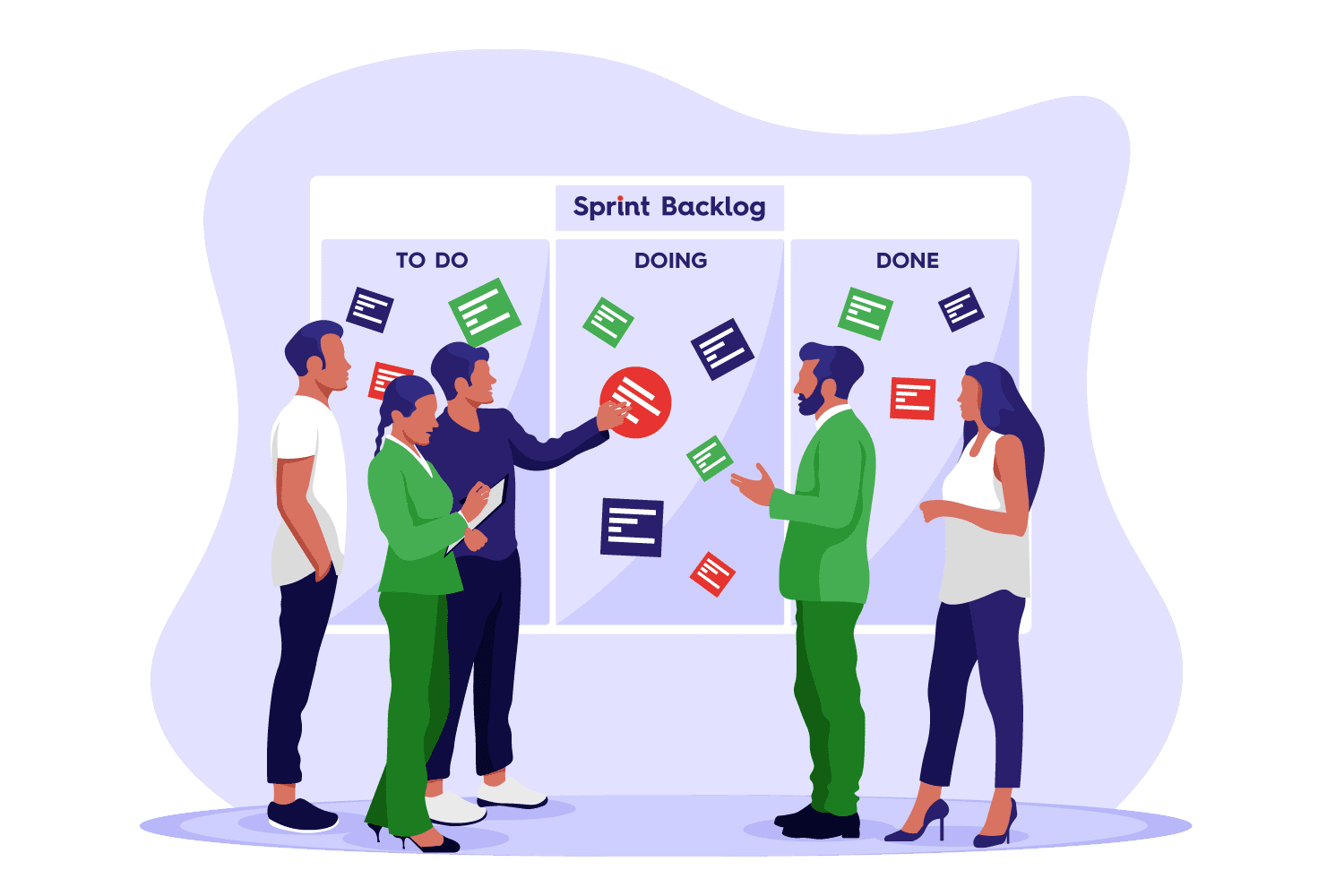
Feature #1: Daily Standup Sessions
Simulate real DevOps team environments with guided daily standups before every session – like working in a real company!

Feature #2: 24/7 Trainer Access
Got doubts While Learning? No problem. Get personal guidance from Prasanth Reddy sir via WhatsApp and live chat anytime.
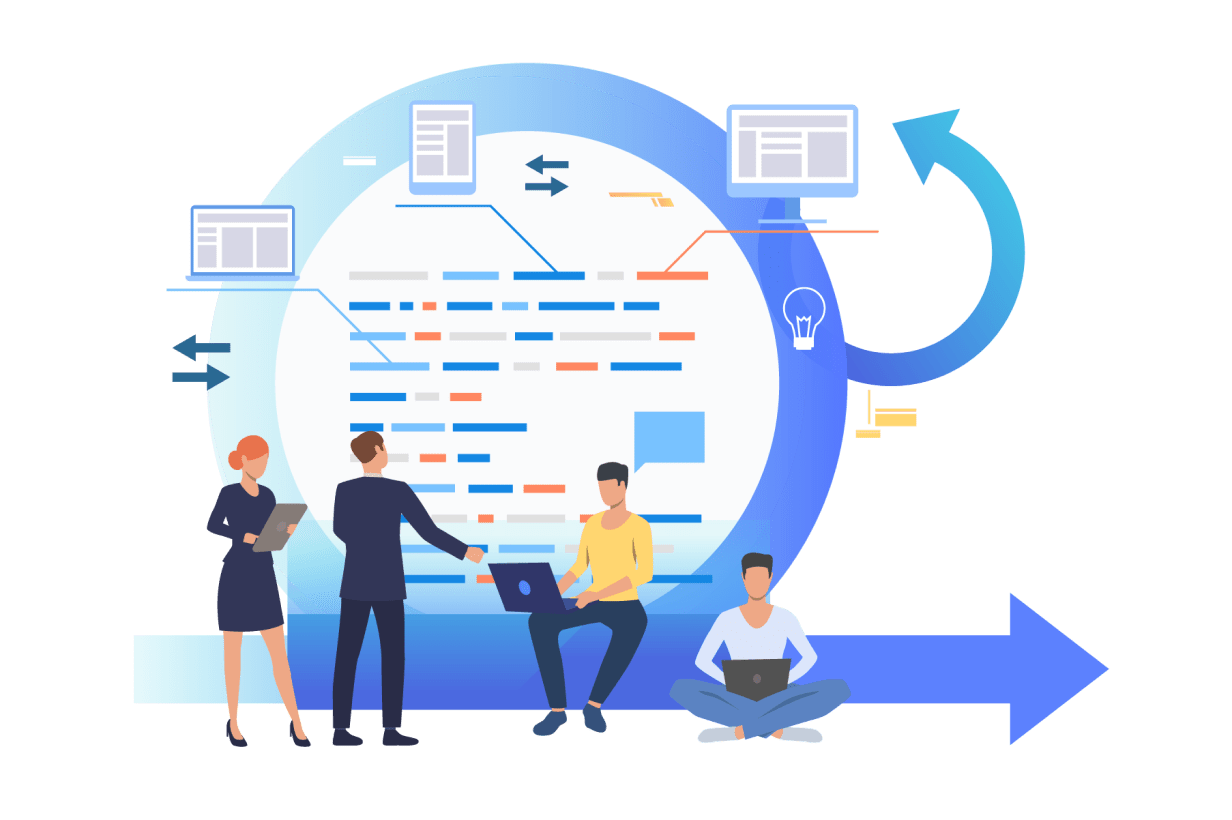
Feature #3: Real-Time Projects
Work on industry-simulated DevOps projects Like E-Commerce with Jenkins pipelines, CI/CD, Terraform, AWS, Kubernetes, and more.
Feature #4: Job-Oriented Training
From Day 1, we train you to crack interviews: mock rounds, resume building, LinkedIn profile revamp, and cheat sheets.

Feature #5: Community Support
Join a dedicated DevOps WhatsApp & Slack group for job updates, interview questions, and peer networking.

Feature #6: Notes as Detailed Blog
Get exclusive portal access to structured, blog-style notes for every
topic — making it easy to learn, revise, and retain concepts at your own
pace, anytime.

Feature #7: Dedicated Job Portal
Get exclusive access to our dedicated job portal featuring curated openings, referral opportunities, and company-
specific interview insights — all in one place.
Register For The Free Demo ₹23,000 ₹25,000
-
Blogging
-
Dropshipping
-
Affiliate Marketing
-
SEO
-
Video Editing
-
Animation / VFX
-
YouTube
-
Content Creation
-
Graphic Designing
Although all these skills can pay you a good amount!
But ask this question to yourself
-
How much time will it take me to master these skills? -
How long will it take me to get my first client & get paid? -
How long do I have to wait to make my first dollar online? -
How many failures & setbacks do I have to face to succeed? -
What’s the chance of you succeeding? -
How will I beat the competition who have already established themselves in the market and are doing excellent work for so many years now?
Well, Believe Me or Not…
But learning a skill from Scratch, Monetizing it and
Scaling it takes a lot of time!

Are you willing to wait for months (if not years) to earn from it and also where competition is too high & probability of success is very low?
If you are willing to wait and work hard for months to figure out the right way of earning money… Then you can leave this page!
But if you’re someone like me who is a bit impatient and want quick results on the table
Then I highly invite you to my upcoming 2 hours Live
“7 Methods To 7 Figure Workshop”
Today’s Special Offer🎁
Only Rs. 9/- 499
For the price of less than a cup of tea!
Register For The Workshop ₹9 ₹497
And Learn The 7 Methods To Make 7 Figures With Instagram
For Whom Is This
Workshop For

Students

Freelancers

Job Person

Influencers

Marketers

Digital Entrepreneurs

Affiliate Marketers

Business Owners

Corporate Employee

Self-Employed

Content Creator

Coaches / Trainers
Meet Your Trainer

Your Name
➡Co founder and Marketing Head at Nikist
➡Instagram Monetization Expert
➡Meme Marketing Specialist
ABC is an exceptional Marketer & Instagram expert who knows exactly how to open multiple channels for monetizing Instagram that build a passive income source from it.
Till now he has helped 15,000+ students to make money via Instagram using some of his insane but easy-to-apply frameworks.
ABC has generated a total follower base of more than 5 Million on his meme pages which are highly active and interactive by his followers. Just using Instagram, ABC earns 7 figure income with little work to do at his side.
ABC gives all his credit to his powerful ‘7 methods’ that can help anyone to build a 7-figure income with it. And now he is coming up with a “7 Methods To 7 Figure Workshop” where he is going to share all his secrets, frameworks, & strategies to build a successful & consistent income source by utilizing Instagram in the best possible manner.

BUT WAIT!!!
I’ve Something More For You…
When You Register For The
“7 Methods To 7 Figures Workshop”
Right Now… You Will Get 7 Amazing Bonuses Worth
₹20,000 For Absolutely FREE!!!
30 Trending Instagram Page Niches With Examples
- 🔸 Find the niches that are in trending & would take less time & effort to reach virality & growth. Pick anyone of these 30 niches & witness tremendous growth on your Instagram pages.
Priced: ₹ 2500/-
Business & Success Infographics For Entrepreneurs – Canva Editable Templates
- 🔸 Make aesthetic & appealing motivational images that brings viral growth on your Instagram pages Few clicks, edits and your post is ready in minutes
Priced: ₹ 2500/-
1500+ Fitness & Health Infographics Bundle – Canva Editable Templates
- 🔸Ease up your journey with our DFY 1500+ Editable Templates Edit it on canva as per your customized need & you are ready with your next meme post
Priced: ₹ 4500/-
Free E-Book – For Your Instagram Business Success
- 🔸Accelerate your Instagram business success with our free e-book Gain valuable insights, expert tips, and powerful strategies to propel your growth and achieve remarkable results
Priced: ₹ 1500/-
Email Templates
- 🔸Supercharge your email communication with our collection of meticulously crafted email templates From professional correspondence to effective marketing campaigns, these templates will save you time and ensure your messages are clear, concise, and impactful
Priced: ₹ 3000/-
Instagram Admin Group Access
- 🔸Elevate your Instagram admin skills with exclusive group access Collaborate, gain insights, and level up your account management strategies within a thriving community of Instagram admins
Priced: ₹ 2500/-
Step-by-Step Guidance To Become Instagram Admin
- 🔸Unlock your potential as an Instagram admin with our step-by-step guide Gain valuable insights and expert tips to effectively manage and grow Instagram accounts, making a lasting impact in the realm of social media.
Priced: ₹ 3000/-
Get All This Inside The Workshop
Total Value Of Bonuses: ₹20,000
JOIN ME IN THE LIVE WORKSHOP
Normal Workshop Ticket Price:
₹497
Buy Today At Just ₹9
Register For The Workshop ₹9 ₹497
And Learn The 7 Methods To Make 7 Figures With Instagram
Frequently Asked Questions
When and where is the workshop and how long would it be?
The workshop will be for 3 hours on <9 july 2023>, <7.00 PM IST> and will be held on the Zoom App.
Is the workshop live or pre-recorded?
It is a completely LIVE Workshop conducted by Dipanshu who will teach you 7 different ways to monetize your Instagram account and start making money ASAP!
This workshop is for anyone who wants to utilize their free time smartly and learn the proven ways to monetize Instagram and make an easy income passively.
This workshop will highly benefit you if you’re a Student, Freelancer, Job person, self-employed, corporate employee, business owner, coach, marketer, etc.
What should I be prepared with before the workshop starts?
Make sure you come 10 mins before the scheduled time and have a simple notebook and pen to write the important points you find during the workshop.
It is advisable to attend the workshop on PC and with good internet connectivity for a better learning experience.
Will I get the recordings of the workshop?
No recordings are provided to ensure every registrant attends the workshop live and gets the best out of the workshop.
I made the payment but didn’t receive any update
Please email us at <email> & our support team will get back to you as soon as possible.
Register For The Workshop ₹9 ₹497
And Learn The 7 Methods To Make 7 Figures With Instagram
Demo Class On
Days Hours Minutes Seconds